Why Can Light Microscopes Produce Images In Their Natural Color
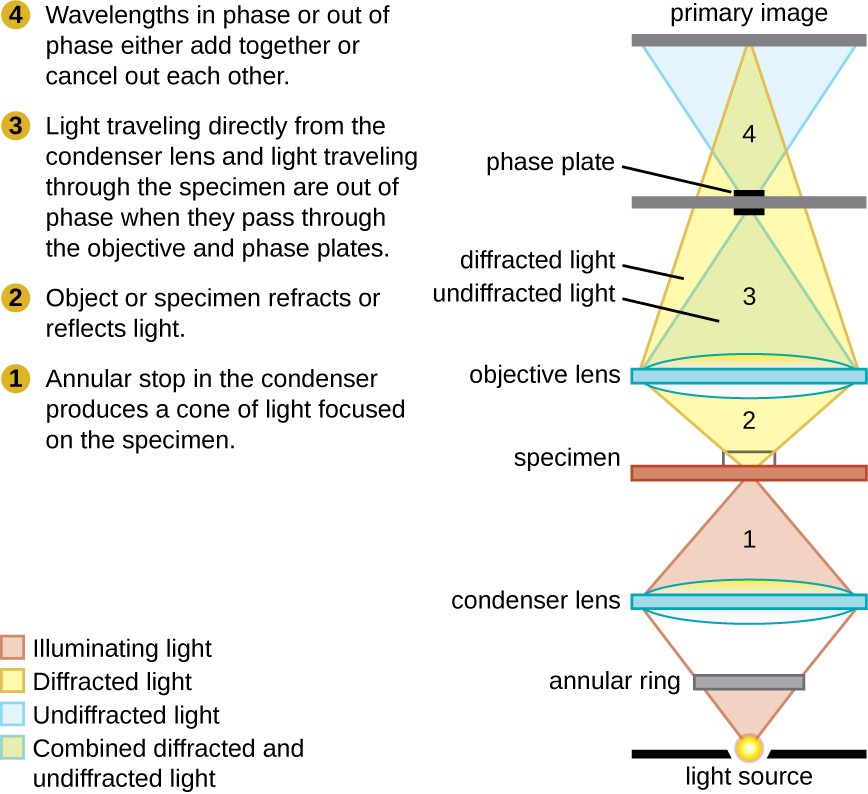
Instruments Of Microscopy Microbiology

Light Microscopes An Overview Sciencedirect Topics

Light Microscope Vs Electron Microscope A Detailed Comparison Science Struck
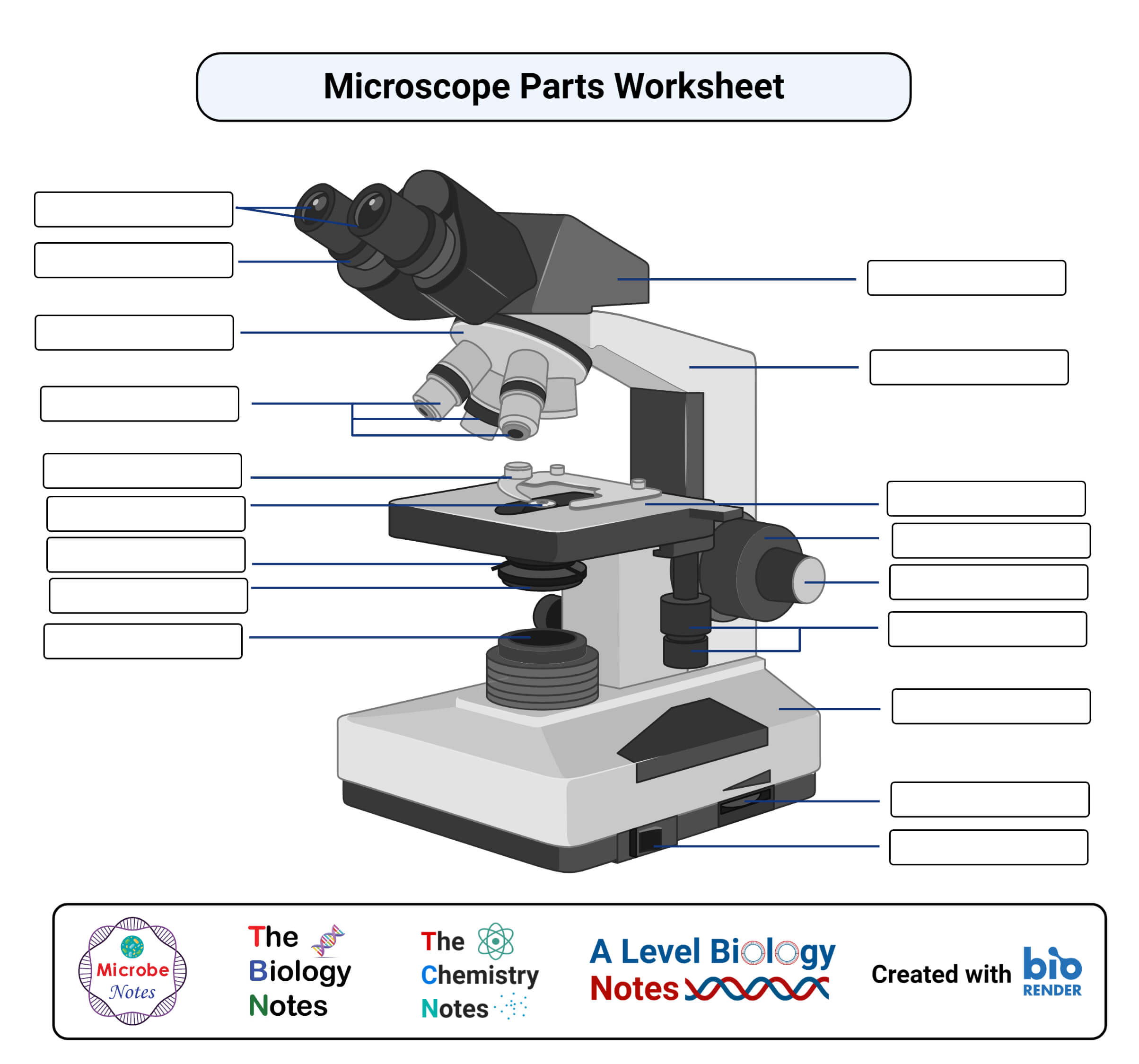
Light Microscope Definition Principle Types Parts Magnification
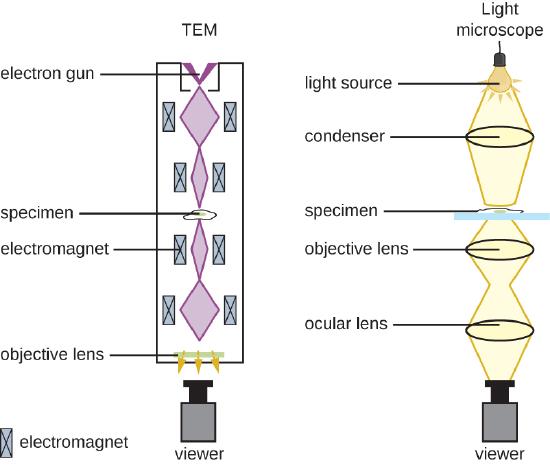
3 1 How Microscopes Work Biology Libretexts
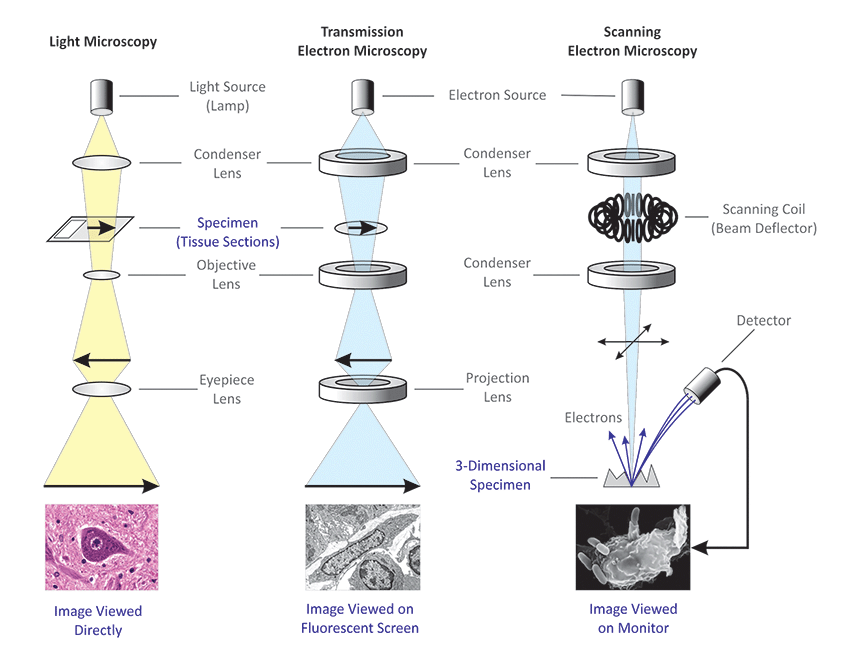
Differences Between Light Microscope And Electron Microscope
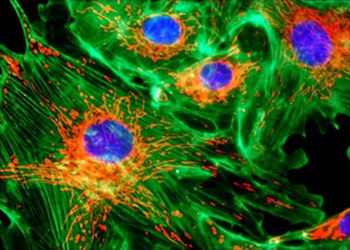
How does a scanning electron microscope produce its image.
Why can light microscopes produce images in their natural color. However when you go beyond a certain level of magnification colors start disappearing from the magnified images. Its an upright microscope that produces a two-dimensional image and has a higher magnification than a stereoscopic microscope. Anisotropic substances such as uniaxial or biaxial crystals oriented polymers or liquid crystals generate interference effects in the polarized light microscope which result in differences of color and intensity in the image as seen through the eyepieces and captured on film or as a digital image.
Made up of two lenses it is widely used to view plant and animal cell organelles including some parasites such as Paramecium after staining with basic stains. Microscopes are used to produce magnified images. Why can light microscope produce images in their natural color while scanning electron and transmission electron microscopes only.
Answer and explanation. Light is often reflected by one or more plane or flat mirrors within the microscope to direct the light path through lenses that form the virtual images we see in the oculars eyepieces. Which type of microscope produced the image of cilia.
Color is a property of photons of light hence the light microscope is able to produce images of specimens in their natural colors. Brightfield Light Microscope Compound light microscope This is the most basic optical Microscope used in microbiology laboratories which produces a dark image against a bright background. To understand why an electron microscope produces black and white image we need to understand why ordinary white light produces couloured images.
Why can light microscopes produce images in their natural color while scanning electron and transmission electron microscopes only produce grayscale images. Light microscopes are used to study living cells and for regular use when relatively low magnification and. A compound light microscope is a type of light microscope that uses a compound lens system meaning it operates through two sets of lenses to magnify the image of a specimen.
Magnification however is not the most important issue in microscopy. 5 What type of microscope would be best for studying the movement of the digestive and circulatory. They offer a wide range of contrast techniques providing information on the physical chemical and biological attributes of specimens.
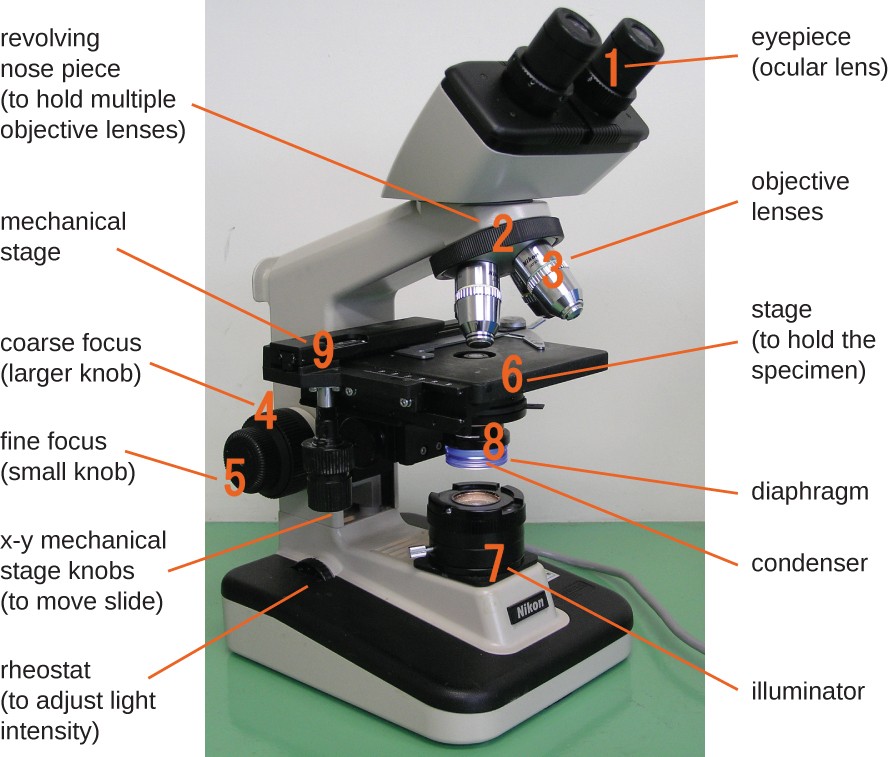
Instruments Of Microscopy Microbiology

Different Types Of Microscopes Light Microscope Electron Microscope Scanning Probe Microscope Rs Science
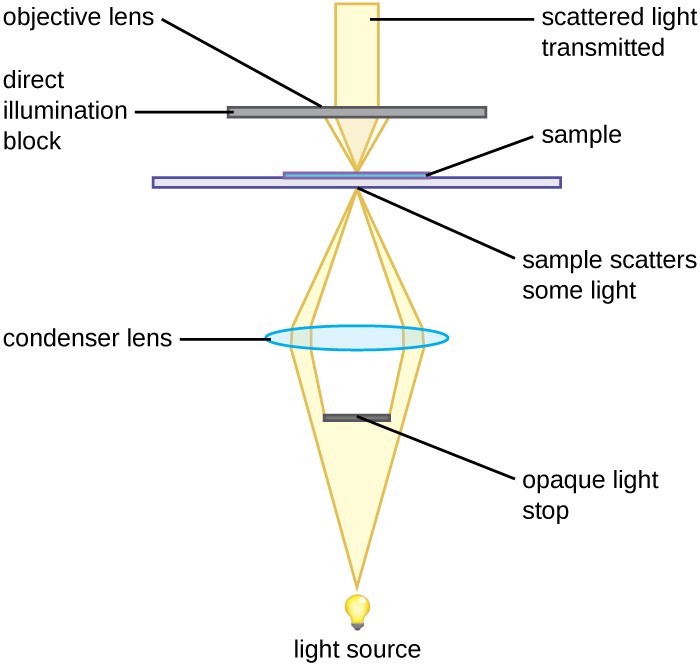
Instruments Of Microscopy Microbiology
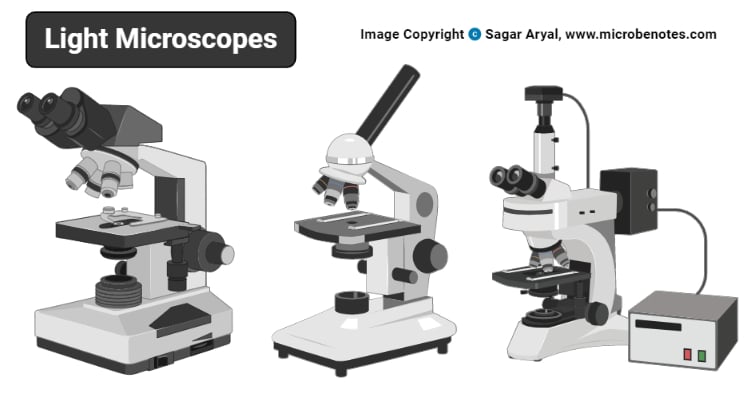
Light Microscope Definition Principle Types Parts Magnification
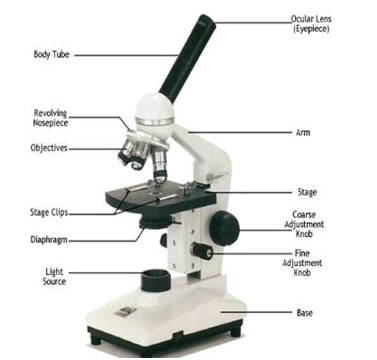
Light Microscope History Construction Types Of Light Microscope

Light Microscopy Biology Encyclopedia Cells Plant Body Process Animal Different Hormone Used Structure
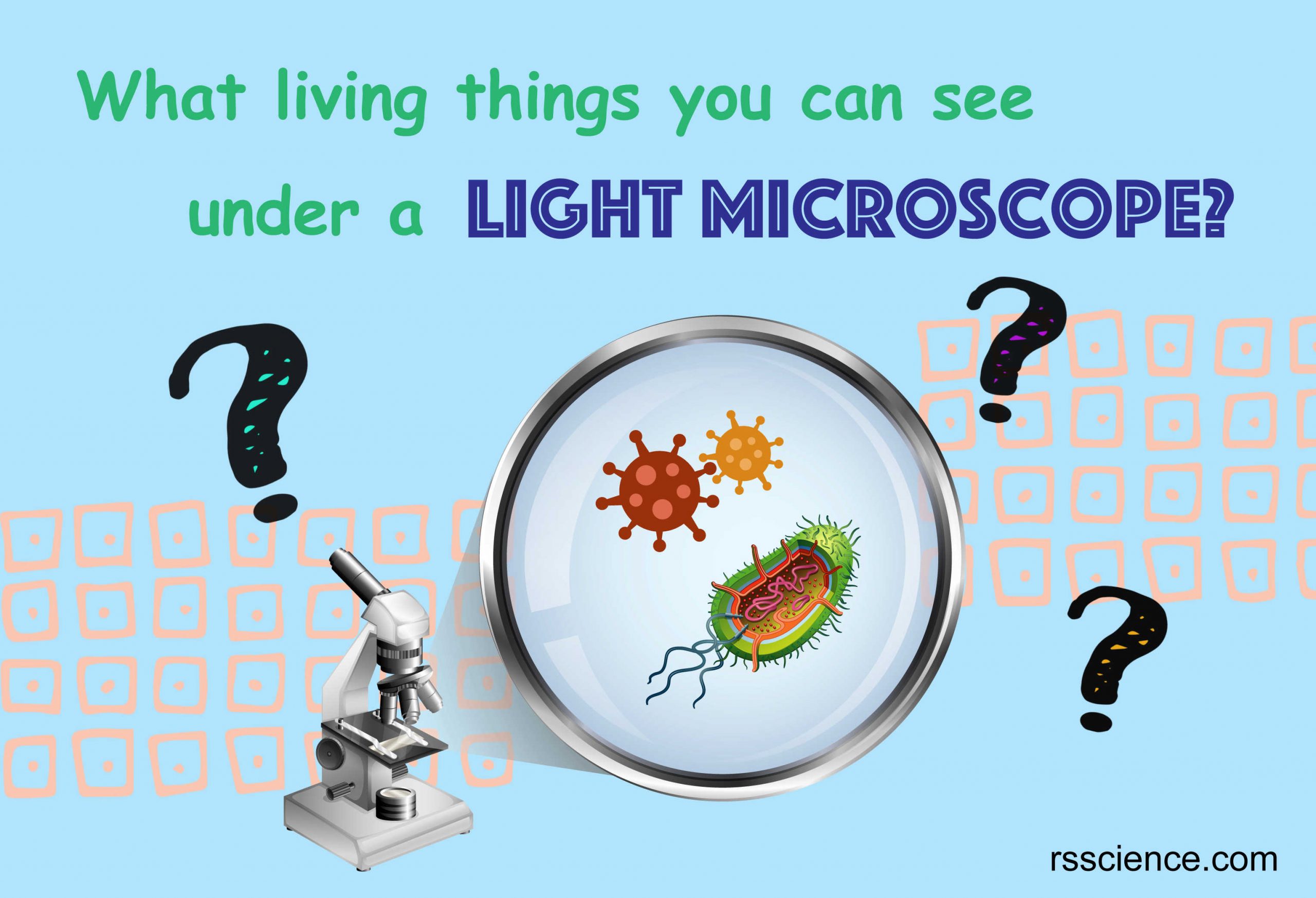
What Living Things You Can See Under A Light Microscope Rs Science
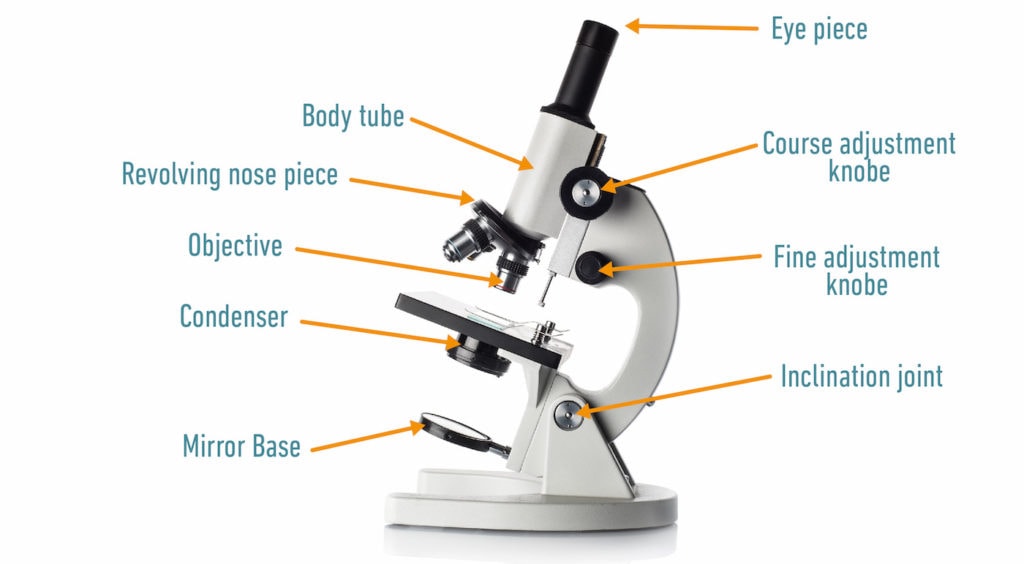
Light Vs Electron Microscope What S The Difference With Pictures Optics Mag
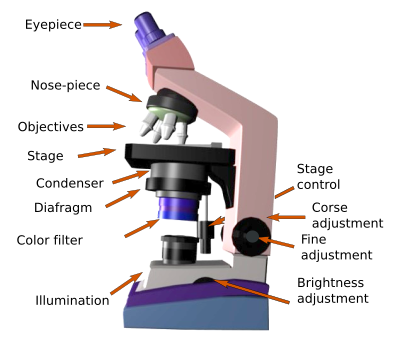
Histological Techniques 6 Light Microscope Atlas Of Plant And Animal Histology
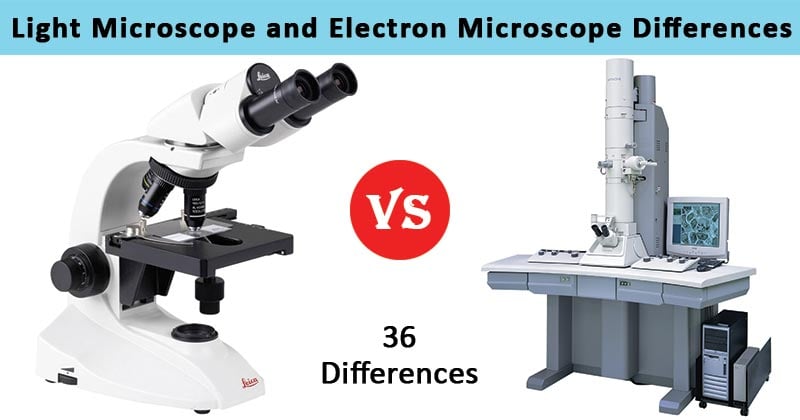
36 Differences Between Light And Electron Microscope
Innovations In Light Microscopy Nikon S Microscopyu

Optical Microscope An Overview Sciencedirect Topics

An Introduction To The Light Microscope Light Microscopy Techniques And Applications Technology Networks
